

Every year, over a billion tons of food is wasted worldwide, contributing significantly to greenhouse gas emissions and environmental damage. The choice of food waste bags compostable can be a simple yet powerful step toward reducing this impact. This essential guide will help you make smart decisions for 2025, from understanding what makes a bag compostable to navigating evolving regulations and selecting the best options for your household. Discover the benefits, learn how to use these bags correctly, and explore the latest innovations shaping a more sustainable future for food waste management.
Understanding Compostable Food Waste Bags
Compostable solutions are transforming how we manage organic waste. As more people look for ways to reduce their environmental impact, food waste bags compostable have become a practical tool for sustainable living. Let’s explore what sets these bags apart, their benefits, standards, and the real-world results they deliver.
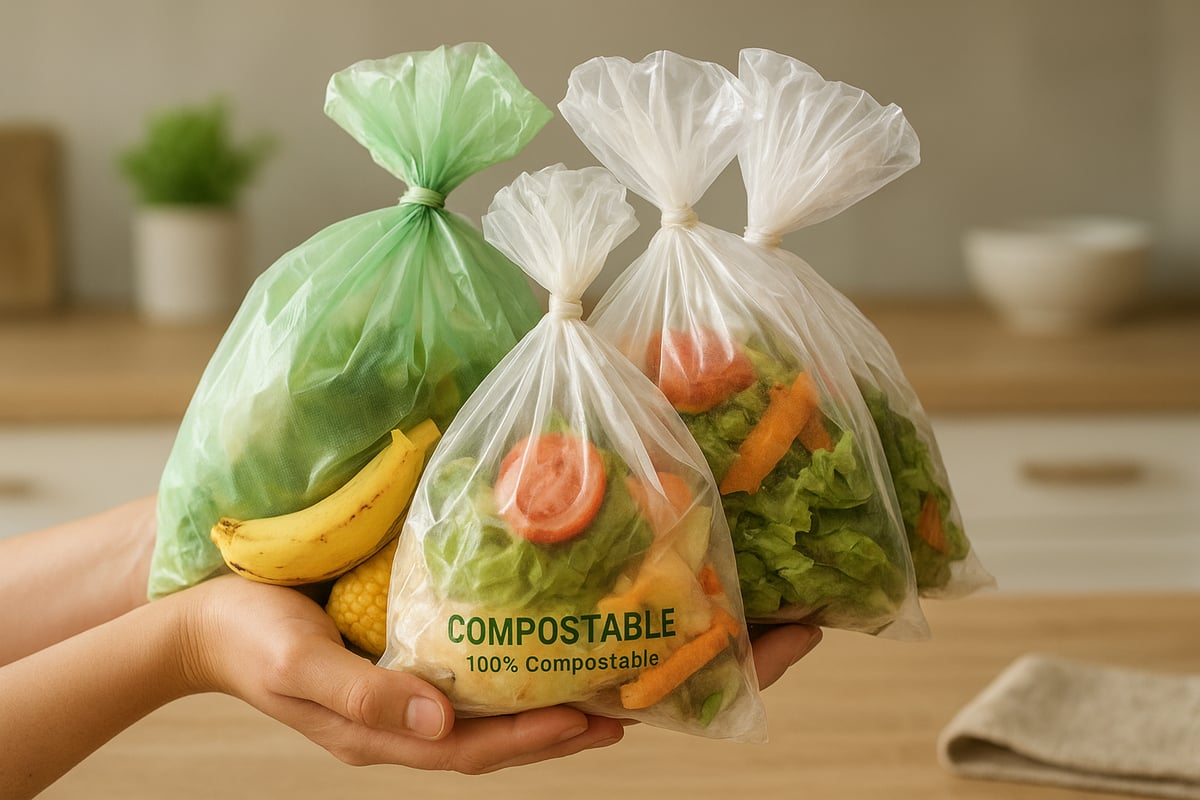
What Are Compostable Food Waste Bags?
Food waste bags compostable are designed to break down fully into natural components in composting environments. Unlike conventional plastic bags, which can persist for centuries, these bags use materials such as polylactic acid (PLA), polybutylene adipate terephthalate (PBAT), and plant-based starch blends. These materials are specifically engineered for rapid decomposition.
The composting process involves exposing food waste bags compostable to the right mix of heat, moisture, and microorganisms. Over weeks to months, the bags transform into water, carbon dioxide, and nutrient-rich compost that can safely return to the soil. This cycle closes the loop, supporting a healthier environment.
Environmental Impact and Benefits
Switching to food waste bags compostable offers clear environmental advantages. First, these bags help divert organic material from landfills, reducing methane emissions—a potent greenhouse gas. Second, they minimize microplastic pollution, as certified compostable materials do not fragment into persistent particles like traditional plastics.
By using food waste bags compostable, households and businesses contribute to a circular economy. The resulting compost enhances soil health, improves plant growth, and reduces reliance on synthetic fertilizers. This creates a sustainable feedback loop that benefits both people and the planet.
Certifications and Standards in 2025
Certifications are essential for ensuring food waste bags compostable meet strict environmental and performance criteria. Leading standards include EN 13432 (Europe), ASTM D6400 (US), and BPI certification, which verify that products break down safely in composting systems.
To identify certified food waste bags compostable, look for official logos and certification numbers on packaging. In 2025, updated programs such as BPI's Commercial & Home Compostable Certification Program help consumers and businesses choose products that perform reliably in both home and industrial compost settings. Regulatory changes are tightening requirements, making transparency more important than ever.
Common Myths and Misconceptions
There is often confusion between food waste bags compostable, biodegradable, and oxo-degradable products. Compostable bags fully break down under specific composting conditions, while biodegradable bags may only partially degrade and sometimes leave residues. Oxo-degradable bags simply fragment into smaller pieces, contributing to microplastic pollution.
Another myth is that food waste bags compostable decompose quickly in any environment. In reality, they require the right temperature and humidity, usually found in industrial composting facilities. Misleading labeling can lead to greenwashing, so always verify certifications and avoid vague claims.
Real-World Examples and Data
Cities around the world are adopting food waste bags compostable in municipal composting programs. For example, many European and North American cities now require certified bags for curbside food waste collection. Recent data shows that over 30% of households in leading regions use certified compostable bags, significantly reducing landfill-bound waste.
Success stories from places like Milan and San Francisco highlight the positive impact of food waste bags compostable, with increased compost quality and higher participation rates. These results demonstrate the tangible benefits of making the switch.
The Regulatory Landscape: Compostable Bags & Food Waste in 2025
Navigating the regulatory landscape for food waste bags compostable in 2025 is essential for consumers, businesses, and policymakers alike. As environmental concerns have risen, so have the laws and guidelines governing compostable packaging. The rules are evolving rapidly, reflecting a global commitment to reducing plastic pollution and supporting sustainable waste management.
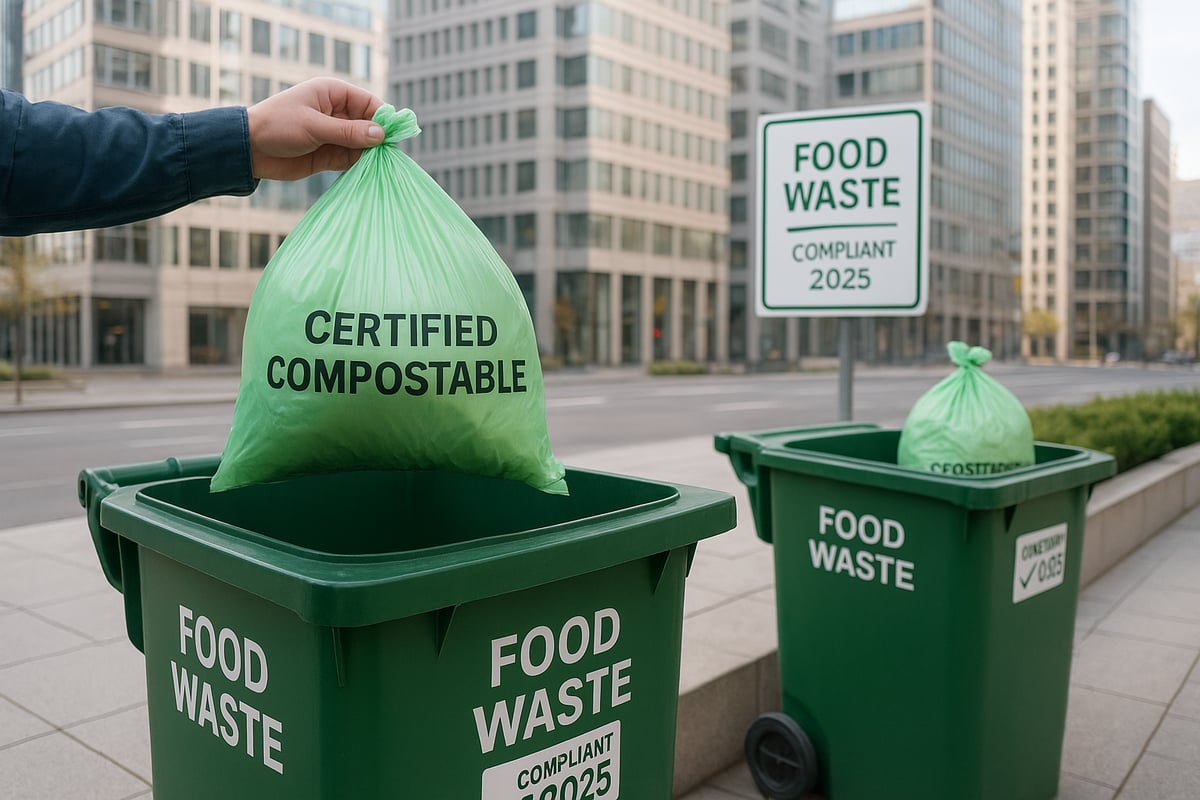
Global and Regional Regulations
Across the globe, regulations for food waste bags compostable have become more stringent. In the United States, states like California, New York, and Minnesota have introduced comprehensive requirements for certification, labeling, and use. For example, California has tightened its standards, mandating that only bags meeting specific compostability criteria can be labeled as such. You can find detailed information about these measures in California's Updated Compostable Packaging Regulations.
In the European Union, EN 13432 certification is widely accepted, and many member states require compostable bags for organic waste collection. The United Kingdom enforces similar standards and has implemented bans on conventional plastics in food waste streams. Across Asia, countries like South Korea and Japan are piloting or mandating compostable solutions in select regions.
These efforts reflect a growing consensus: only certified food waste bags compostable are permitted in official waste collection programs, and non-compliant products face increasing restrictions.
Compliance and Certification Requirements
Complying with regulations on food waste bags compostable requires clear documentation and adherence to recognized standards. Certification from bodies such as BPI, TUV Austria, or compliance with EN 13432 and ASTM D6400 is often mandatory. Proper documentation includes third-party test results and visible certification marks on packaging.
Penalties for non-compliance can be steep, ranging from fines to exclusion from municipal waste programs. To verify legitimacy, consumers and businesses should check for approved certification logos and consult official regulatory lists. This approach helps prevent the use of non-compliant or falsely labeled food waste bags compostable, which can contaminate composting streams and undermine environmental goals.
Impact on Businesses and Households
The shift to food waste bags compostable has significant implications for both businesses and households. Restaurants and food service providers must now use certified bags for organic waste, while households participating in municipal composting are often required to do the same.
Many governments offer incentives, such as tax credits or free initial supplies, to encourage the adoption of food waste bags compostable. Notably, local authorities may provide educational resources and run pilot programs to ease the transition. These initiatives aim to make compliance straightforward and cost-effective, fostering broader participation in sustainable waste management.
Evolving Policies and Future Trends
Looking ahead, policies around food waste bags compostable are expected to become even more robust. Legislators are predicting stricter standards for compostability, more detailed labeling requirements, and increased enforcement. Consumer advocacy groups and environmental organizations continue to influence these changes, pushing for transparency and higher standards.
Future trends may include digital tracking for bag authenticity, expanded bans on conventional plastics, and harmonized international standards. The momentum behind food waste bags compostable suggests continuous innovation and policy evolution, making it vital for all stakeholders to stay informed and adaptable.
How to Choose the Best Compostable Food Waste Bags
Selecting the right food waste bags compostable for your home or business can feel overwhelming with so many options available. Making the best choice means balancing performance, value, and sustainability, while ensuring your bags meet local composting requirements.
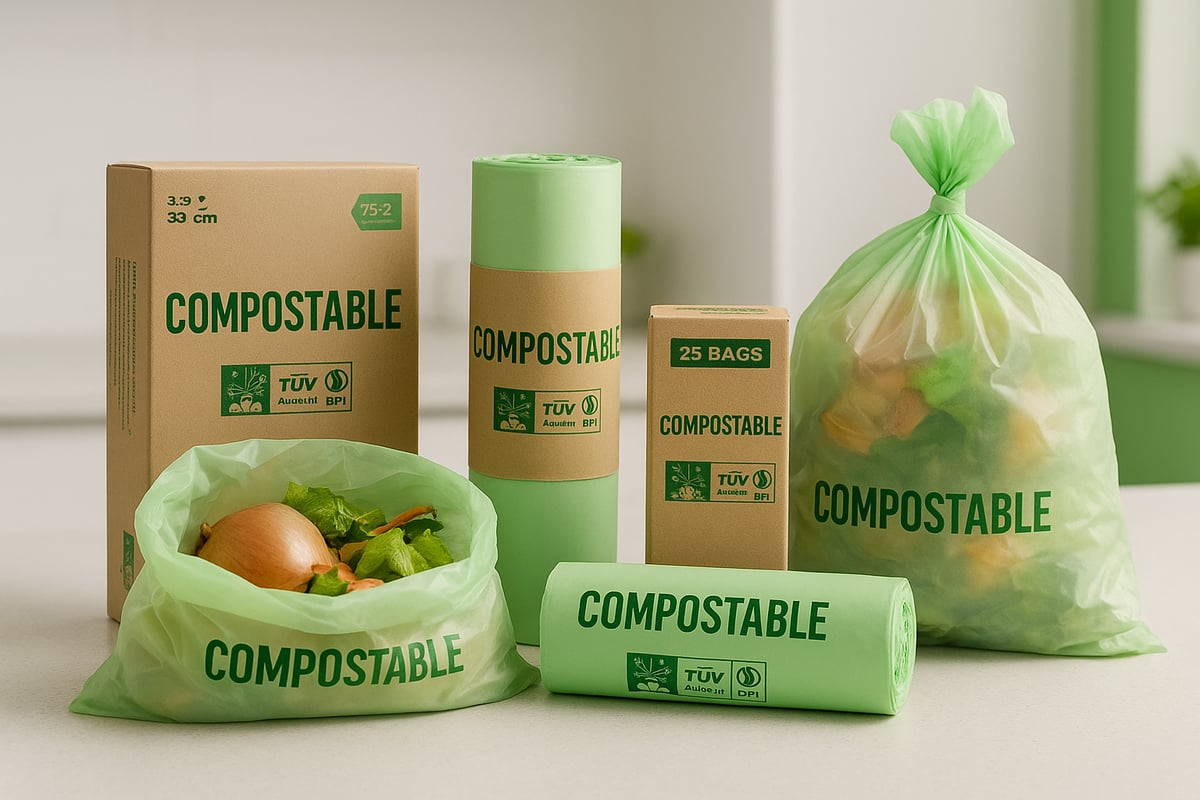
Key Features to Look For
When evaluating food waste bags compostable, focus on these essential features:
- Material composition: Look for bags made from plant-based materials such as PLA (polylactic acid), PBAT, or compostable starch blends.
- Certified compostability: Ensure the bags display recognized certifications, such as EN 13432, ASTM D6400, or BPI.
- Thickness and durability: Thicker bags (typically 15–25 microns) offer better leak resistance and strength.
- Size and fit: Choose the right size for your bin, from small kitchen caddies to large outdoor containers.
Selecting food waste bags compostable with these features ensures your waste collection is both convenient and environmentally responsible.
Performance and Durability
Performance is crucial when choosing food waste bags compostable. High-quality bags should resist tearing, even when filled with wet or heavy scraps. Leak resistance is key—no one wants unpleasant spills during disposal.
Shelf-life matters, too. Store your bags in a cool, dry place to prevent premature breakdown. Many consumers appreciate real-world feedback, so consider checking detailed reviews, such as the Amazon compostable bags review, to gauge user experiences with different brands. This helps ensure your chosen food waste bags compostable perform reliably under daily use.
Price and Value Considerations
Cost is a common concern for those switching to food waste bags compostable. While compostable bags are generally more expensive than traditional plastics, the gap is narrowing as demand grows.
| Bag Type | Average Price (per 50 bags) | Typical Use |
|---|---|---|
| Conventional plastic | $5–7 | General waste |
| Biodegradable (not certified) | $7–10 | Mixed waste |
| Compostable (certified) | $10–15 | Food waste |
Bulk buying or subscriptions can reduce costs. Over time, using food waste bags compostable may save money by lowering waste management fees or qualifying for municipal incentives.
Compatibility with Local Composting Programs
Before purchasing food waste bags compostable, confirm they are accepted by your local composting facility. Requirements can differ between municipal and private programs.
- Some facilities only accept bags with specific certifications.
- Certain bag types or materials may be excluded.
- Always check your area’s guidelines for accepted food waste bags compostable to avoid contamination.
Contact your local waste authority or check their website for an updated list of approved bags.
Avoiding Greenwashing: What to Watch Out For
Not all food waste bags compostable live up to their claims. Watch for:
- Misleading terms: “Biodegradable” does not always mean compostable.
- Fake certifications: Only trust bags with verifiable logos from recognized standards.
- Vague marketing: If a bag’s label does not specify conditions for compostability, be cautious.
To verify claims, look for certification numbers and cross-check them with official databases. Rely on reputable retailers and manufacturers when selecting food waste bags compostable for your household or business.
Proper Usage and Disposal: Maximizing Composting Success
Effectively using food waste bags compostable is key to maximizing their environmental benefits. Following best practices at every stage of the process ensures that your efforts truly contribute to a more sustainable future. Let’s break down each step for optimal results.
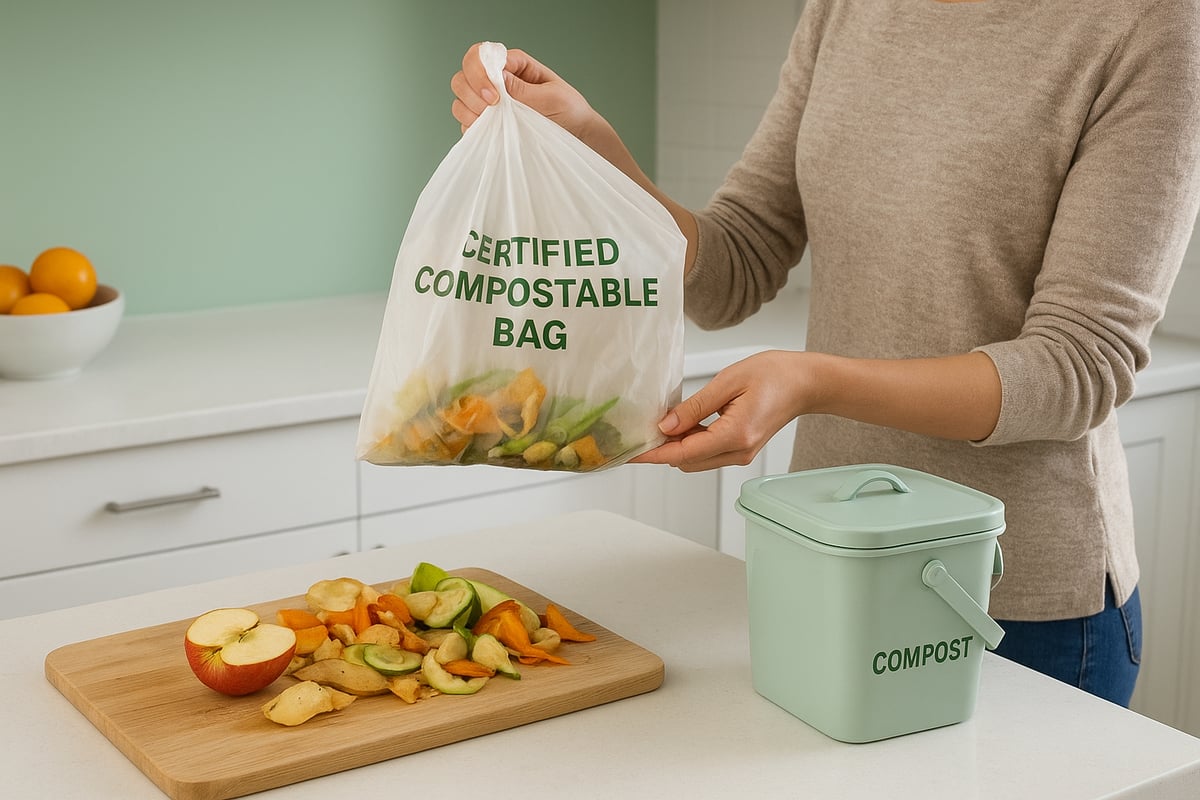
Step 1: Select the Right Bag for Your Needs
Choosing the correct food waste bags compostable is the first step toward effective composting. Start by assessing your household’s food waste volume and the size of your kitchen bin. Bags that are too small may tear, while oversized options can create unnecessary waste.
Look for certified bags with clear compostability markings. For example, 10L compostable waste bags are ideal for many households and meet recognized standards. Consider thickness for durability, especially if you handle wet or heavy scraps.
Always select bags that fit snugly in your bin and are approved by your local composting program. This prevents leaks and ensures smooth collection.
Step 2: Correctly Collecting and Storing Food Waste
Proper collection and storage of food waste bags compostable helps maintain a clean kitchen and minimizes odors. Line your compost bin with a certified bag and empty food scraps directly into it.
To reduce unpleasant smells, empty the bag regularly and keep the lid closed. Store filled bags in a cool, dry area until collection day. Avoid letting liquids pool at the bottom, as this can weaken the bag.
Remember to keep non-compostable materials out of your food waste bags compostable. Double-check local guidelines for accepted items to prevent contamination.
Step 3: Composting at Home vs. Curbside Collection
Deciding between home composting and curbside programs impacts how you use food waste bags compostable. Home compost systems often require smaller bags and may not handle all bag types. Only add certified compostable bags if your system can process them.
Municipal curbside collections typically accept a broader range of food waste and bags, but requirements vary. Check if your local facility processes food waste bags compostable and follow their instructions.
Prepare bags by tying them securely and removing any non-organic contaminants. Proper sorting ensures successful composting and avoids rejected loads.
Step 4: Ensuring Proper Bag Breakdown
For food waste bags compostable to break down fully, specific conditions must be met. Industrial composting facilities provide optimal heat, moisture, and aeration, leading to complete decomposition within weeks.
At home, decomposition may take longer due to lower temperatures. Signs of proper breakdown include softening, tearing, and gradual disappearance of the bag. If you notice intact bags after several months, check that your compost pile is warm and moist enough.
Troubleshoot by shredding bags before composting or increasing pile aeration. Ensuring the right environment helps food waste bags compostable turn into valuable compost.
Step 5: Final Use of Compost and Environmental Benefits
Once your food waste bags compostable and food scraps have fully decomposed, you can use the finished compost to enrich your garden or potted plants. This nutrient-rich material improves soil structure, increases moisture retention, and supports healthy plant growth.
Apply compost around trees, flowers, or vegetable beds to see visible results. Using food waste bags compostable closes the loop by returning valuable resources to the earth.
Track your household’s waste reduction progress over time. Each bag diverted from landfill helps cut methane emissions and supports a healthier planet.
Innovations and Future Trends in Compostable Food Waste Bags
The landscape for food waste bags compostable is evolving rapidly as technology and sustainability priorities intersect. In 2025, new innovations are reshaping how these bags are produced, used, and tracked, making them more effective and accessible for everyday households and businesses.
Advances in Compostable Materials
The science behind food waste bags compostable has made significant progress. In 2025, manufacturers are using new bio-based polymers like advanced PLA blends and PBAT composites, alongside plant starches, to create bags that are both strong and flexible.
These materials allow for faster breakdown in composting environments, reducing the risk of residue or microplastics. Material science companies are experimenting with innovative additives that speed up decomposition while maintaining durability during use. Some brands now offer compostable bags that break down in under 90 days in commercial facilities, setting new standards for environmental performance.
Smart Packaging and Digital Tracking
Digital innovation is transforming food waste bags compostable into smart packaging solutions. Many brands have started integrating QR codes or RFID chips directly into their bags, allowing users to scan and track the bag’s journey from kitchen to compost facility.
Apps and digital platforms now help consumers log their composting activities, receive reminders for pickup days, and access educational content. Pilot programs in several cities are testing these technologies to improve participation and reduce contamination in organic waste streams. This shift is making composting more transparent and user-friendly, building trust in the process.
Scaling Up: Commercial and Municipal Adoption
Large-scale adoption of food waste bags compostable is happening across commercial and municipal sectors. Cities are collaborating with manufacturers and waste haulers to ensure that only certified compostable bags are distributed, supporting both environmental goals and regulatory compliance.
In the UK, for example, compostable bin bags in the UK are increasingly used in local authority food waste collection schemes. These collaborative efforts have led to measurable reductions in landfill waste and improved compost quality. Restaurants, schools, and offices are joining municipal programs to amplify impact and streamline waste management.
Challenges and Opportunities Ahead
Despite progress, several challenges remain for food waste bags compostable. Costs are still higher than traditional plastics, and some regions lack the infrastructure needed for effective composting. Consumer education continues to be a barrier, as confusion persists around proper usage and disposal.
However, opportunities abound. Policy support is growing, and emerging technologies promise even greater efficiency. The next wave of sustainable packaging will likely feature smarter materials, better tracking, and broader accessibility. As more stakeholders collaborate, food waste bags compostable are poised to become the default choice for responsible waste management.
Frequently Asked Questions About Compostable Food Waste Bags
Compostable food waste bags compostable are increasingly popular, but questions remain about their best use and limitations. Here, we address the most common concerns to help you make informed, sustainable choices for your household or business.
Are Compostable Bags Safe for All Types of Food Waste?
Most food waste bags compostable are designed to handle a wide range of kitchen scraps, including fruit and vegetable peels, coffee grounds, and eggshells. However, some bags have limitations with oily, acidic, or dairy waste, which can break down bags prematurely or cause odors. Always check local composting guidelines, as some municipal programs restrict meat, bones, or dairy. For best results, use food waste bags compostable that are certified and suited to your typical food waste types. When in doubt, consult your composting facility or local authority for a full list of acceptable materials.
How Long Do Compostable Bags Take to Break Down?
The decomposition rate of food waste bags compostable depends on the composting environment. In industrial composting facilities with optimal heat and moisture, certified bags often break down within 90 to 180 days. Home composting systems may take longer due to lower temperatures and less active microbial processes, possibly several months. Factors like bag thickness, material composition, and local climate all influence breakdown speed. Compared to conventional plastics, food waste bags compostable decompose much faster and leave no toxic residues, making them a preferred choice for eco-conscious consumers.
Can Compostable Bags Go in Regular Trash if Composting Isn’t Available?
While food waste bags compostable are designed for composting, disposing of them in regular trash is not ideal. In landfills, even compostable materials break down slowly due to limited oxygen and moisture, which can reduce their environmental benefits. If composting facilities are unavailable in your area, check for local collection points or community drop-off programs. Some regions offer green waste bins or partner with composting services. Using food waste bags compostable remains preferable to traditional plastics, but seek alternatives for responsible disposal whenever possible.
How Do I Know If a Bag Is Truly Compostable?
To ensure your food waste bags compostable are genuinely compostable, look for recognized certifications such as BPI, EN 13432, or ASTM D6400. Certified products display clear logos and labeling, which are increasingly required by law in many regions. For example, Minnesota's Compostable Product Labeling Law mandates transparent labeling and third-party certification to reduce confusion and contamination. Always verify claims through trusted resources or regulatory websites, and be cautious of misleading greenwashing or vague terms like "biodegradable" that do not guarantee full compostability.
As we’ve explored, choosing certified compostable food waste bags is a practical step you can take to reduce landfill waste and minimize microplastics while supporting a healthier planet. If you’re ready to make a positive change in your kitchen or garden, why not experience the difference for yourself You deserve packaging that’s both strong and genuinely sustainable. Start your journey towards a cleaner, greener future—Try us now with discount code and discover how easy it is to switch to certified compostable solutions.